Troy is one of the most famous names in the ancient world, yet many visitors to Türkiye never get there because it sits outside the usual Istanbul–Cappadocia–Ephesus circuit. That is changing. According to Hürriyet Daily News, the Troy Museum received 223,762 visitors in the first nine months of 2026, up 32.9% on the same period of 2025, and the Troy Museum, the ancient city of Troy and Assos together drew 860,834 visitors, up 32.2%; Assos alone rose by more than 80%. The report links the rise to Christopher Nolan’s film The Odyssey and to an exhibition at the Colosseum in Rome that featured Troy Museum artefacts. This guide is not about the news; it is about how to turn the interest into a well-planned day.
What you are actually visiting
There are three separate ticketed places, and it helps to treat them as such. The archaeological site of Troy lies inside the Troia National Park in Ezine district; the Ministry of Culture and Tourism describes it as a mound of nine cities built on top of each other, the oldest layer dating to about 3000 BC. The ministry’s museum portal records excavations beginning with Heinrich Schliemann in 1871 and UNESCO World Heritage listing in 1998. The Troy Museum, opened in 2018, stands close to the entrance of the ancient city; GoTürkiye puts it about 750 metres away and about 30 km from Çanakkale city centre, with roughly 2,000 of its more than 40,000 artefacts on display, including the Polyxena Sarcophagus. Assos, the ancient city above Behramkale village in Ayvacık district, is a separate site further south and on UNESCO’s Tentative List.
The practical point: the ruins of Troy are layered and can look modest to a first-time visitor, while the museum explains what the layers mean. Most people get more from the site if they see the museum first or allow time for both.
Hours and tickets: the numbers to confirm
The ministry’s museum portal lists the same seasonal pattern for the Troy site, the Troy Museum and Assos: 08:30–20:00 in summer (1 May–1 October, ticket office closing 19:30) and 08:30–17:30 in winter (1 October–1 May, ticket office closing 17:00). The same pages list a foreign-visitor fee of €27 each for the Troy site and the Troy Museum and €11 for Assos. The pages carry no update date, so treat these figures as the published reference and check them shortly before your visit. National fee changes are planned for 2027, which our guide to 2027 museum and site fees explains; it also covers how passes compare with single tickets.
- Budget for two tickets if you want both the Troy site and the Troy Museum; they are priced separately.
- In winter, the 17:00 ticket-office cut-off matters more than the closing time. Doing Troy and Assos on the same short day is tight.
- None of the portal pages lists a weekly closing day, but holiday and event-day arrangements can change. Confirm on the day before.
Getting there from Istanbul
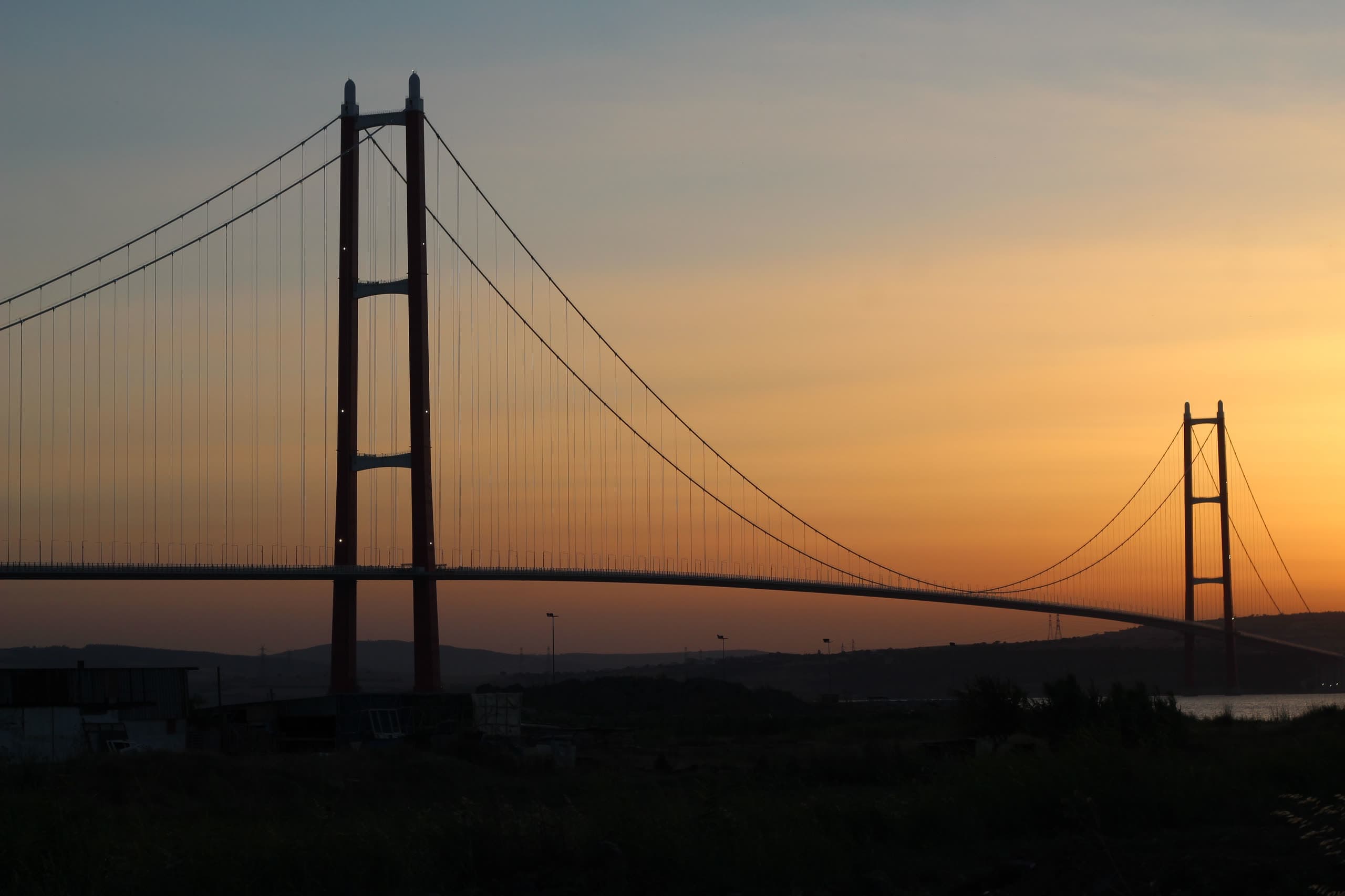
Çanakkale is the base. Since the 1915 Çanakkale Bridge opened on 18 March 2022, the road route from Istanbul’s European side crosses the Dardanelles on the bridge rather than waiting for a ferry; the General Directorate of Highways says the crossing now takes about six minutes. Intercity coaches run between Istanbul and Çanakkale; check current journey times with the coach company rather than relying on older guides, which predate the bridge. Car ferries across the strait still operate and are useful if you are also visiting the Gallipoli peninsula; their winter timetables change during the season.
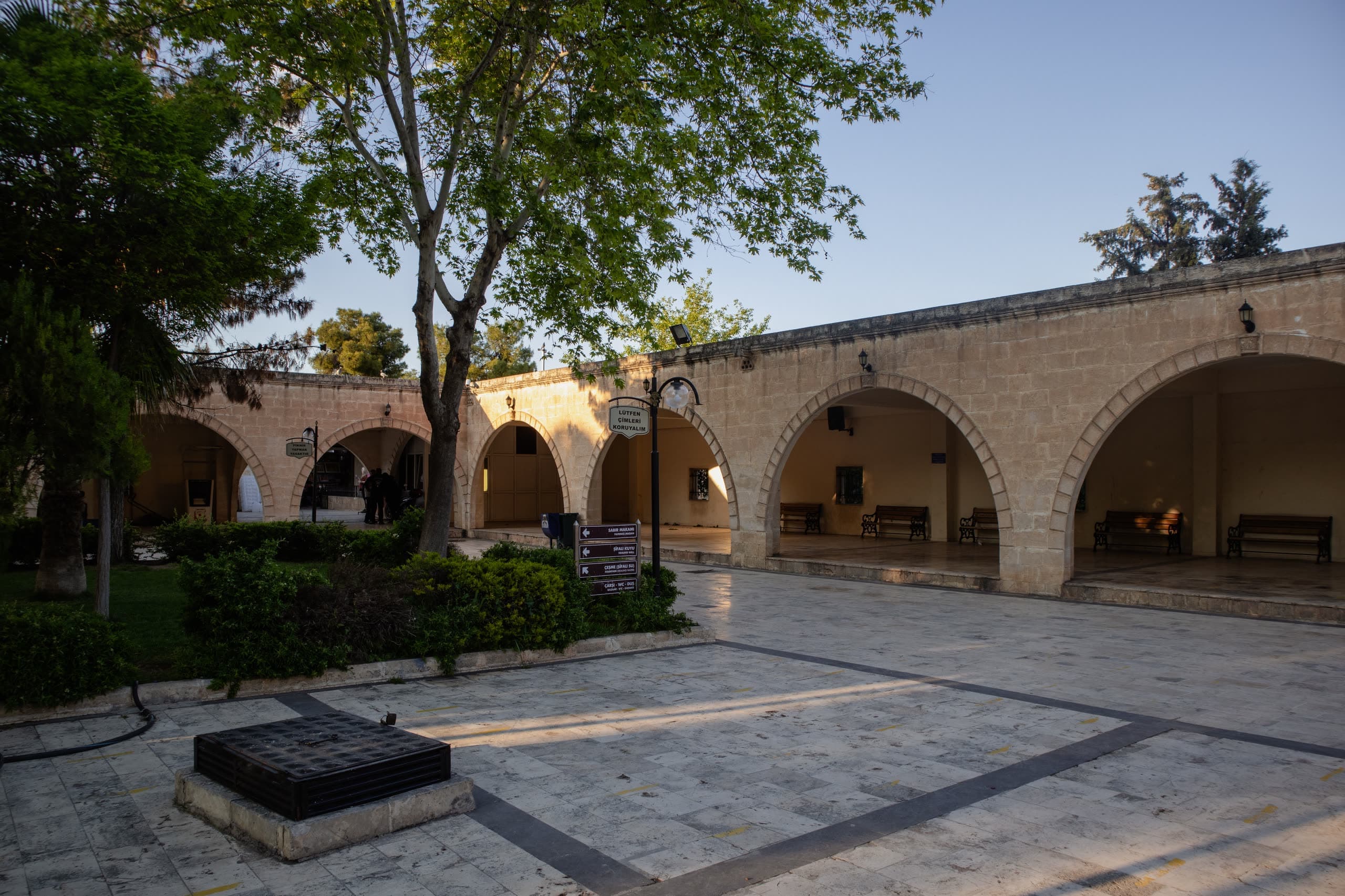
From Çanakkale, Troy is about 30 km away. Ask locally in Çanakkale about minibus (dolmuş) service to Tevfikiye village beside the site, and confirm return times before relying on it, especially off-season. Assos is a separate and longer journey; combining it with Troy in one day works best with a rental car or a booked driver, especially between October and April.
Three ways to structure the visit
- Troy only, as a Çanakkale day: museum in the morning, site afterwards, back in Çanakkale by late afternoon. The simplest option for winter.
- Troy plus Assos by car: Troy early, then drive south to Assos for the afternoon. Realistic in summer; in winter it leaves little margin before the 17:00 ticket cut-off.
- Two nights in the region: Troy one day, Assos and the Behramkale coast the next, with the Gallipoli peninsula or the islands as options. Best for travellers who want the area rather than a single sight.
Checklist before you go
- Check the current hours and fees for each of the three places on the ministry’s portal the evening before.
- Decide whether you need both the Troy site and the Troy Museum tickets.
- Confirm your return transport from Troy or Assos, particularly outside summer.
- Allow for weather: the site is exposed, with little shade in summer and wind in winter.
- If you are combining Troy with other regions, see our private Türkiye itinerary guide and our Istanbul itinerary for how the days fit together.
Rising interest does not mean Troy is crowded in the way Ephesus can be, but it does mean more groups in peak months. Going early in the day, or in the cooler shoulder months, gives you a quieter site and enough light for both the museum and the ruins.
Sources and further reading
- Interest in Troy and surrounding cultural route rises — Hürriyet Daily News
- Çanakkale - Troia (Troy) National Park — Republic of Türkiye Ministry of Culture and Tourism
- Çanakkale's Museum of Troy: What to Expect — GoTürkiye
- Archaeological Site of Troy — Ministry of Culture and Tourism museum portal
- Troy Museum — Ministry of Culture and Tourism museum portal
- Assos Archaeological Site — Ministry of Culture and Tourism museum portal
- 1915 Çanakkale Bridge and Malkara–Çanakkale Motorway — General Directorate of Highways (KGM)
Access conditions, schedules and prices can change. Check the linked official source before travelling. Read our editorial and review policy.