Winter is Türkiye's most underrated season: the country's great sights stay open, queues disappear, hotel rates soften, and a handful of experiences — snow-dusted Cappadocia above all — exist only between November and March. For travellers who value space and atmosphere over beach weather, it is arguably the premium window.
Istanbul Without the Crowds
The Hagia Sophia at a winter opening hour feels like a private viewing. Museum queues shrink, restaurant reservations come easily, and the city's cafe-and-hamam culture makes more sense in the cold than in any heatwave. Pack for damp chill and occasional snow — and enjoy a city operating at local rhythm.
Cappadocia Under Snow
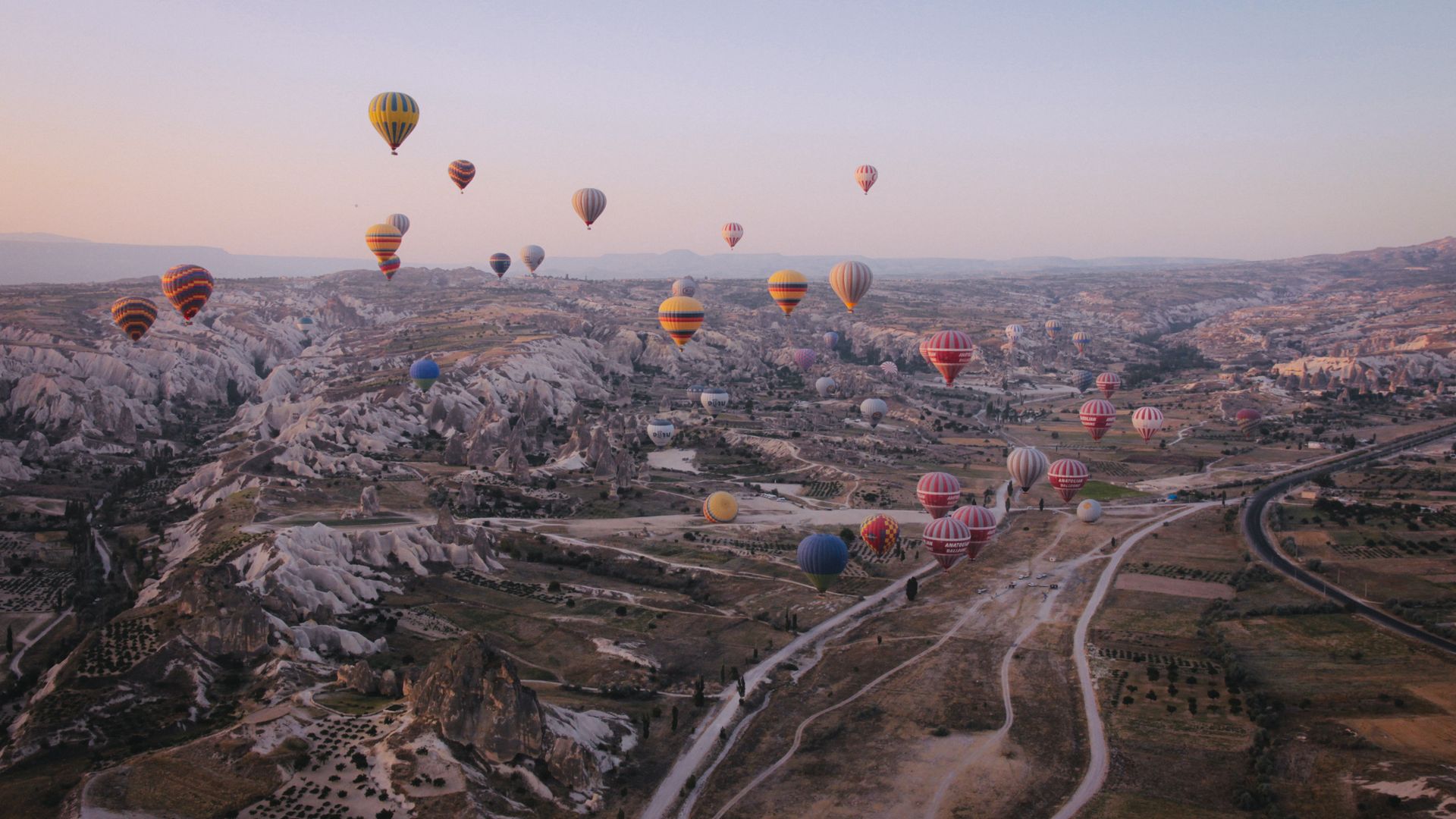
Snowfall turns the valleys into the region's most photogenic version of itself, and balloons still fly on clear winter mornings — with a somewhat higher chance of weather cancellations, which planning extra mornings absorbs. Cave hotels, fireplaces and empty valley trails complete the argument.
Thermal Türkiye
Winter is the natural season for Türkiye's thermal tradition: Pamukkale's warm travertine terraces in crisp air, the historic thermal towns around Bursa, and modern spa hotels built on hot springs. It pairs naturally with a wellness- or recovery-focused itinerary.
Ski, Genuinely
Uludağ (near Bursa) and Erciyes (near Kayseri — 45 minutes from Cappadocia) offer proper ski seasons at prices well below the Alps. Erciyes in particular combines neatly with a Cappadocia stay: valleys at sunrise, slopes after lunch.
The Practical Notes
- Coastal resort towns largely hibernate — winter is for cities, Cappadocia, thermal and ski, not the beach
- Domestic flights run year-round; build slack around mountain weather
- Hotel rates and private-guide availability are at their best of the year
- Daylight is shorter: plan mornings tightly, evenings slowly
How Itinerary of Türkiye Helps
We design winter routes around what the season does best — quiet monuments, snow mornings, thermal afternoons — with the flexible margins that winter weather deserves.