
Combining procedures in one trip can save flights, hotels and time off work — but only some combinations are medically sensible. The deciding factors are anaesthesia load, overlapping recovery demands and whether one procedure's aftercare interferes with the other's. The final word always belongs to the doctors involved, not to the itinerary.
Combinations That Often Work
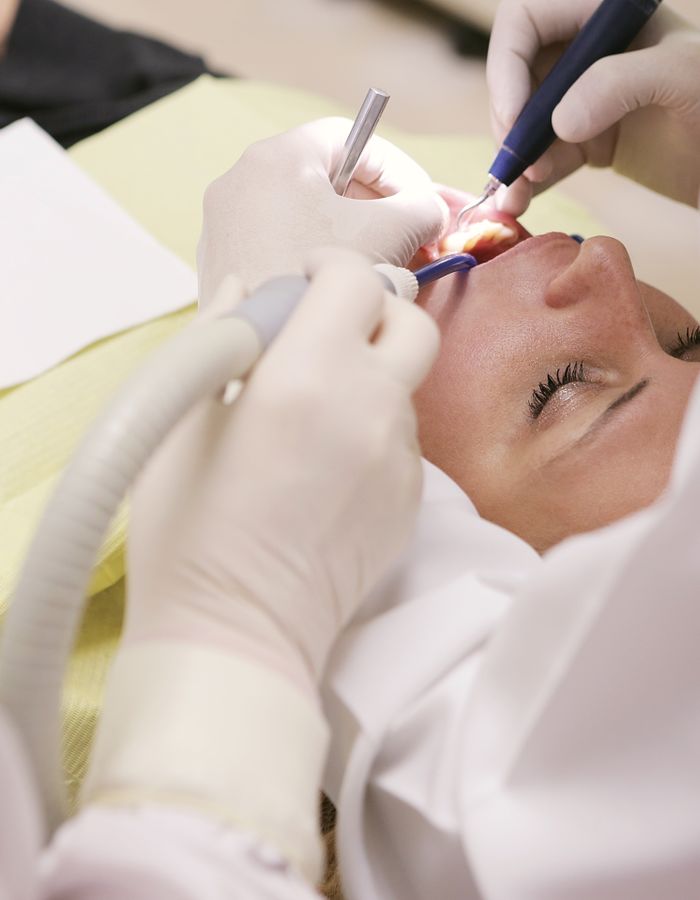
- Dental work + tourism: veneer timelines leave free days between fittings — ideal for sightseeing
- Hair transplant + dental treatment: different body areas, compatible recovery; dental first, transplant after is the common sequencing
- Minor aesthetic treatments + a holiday: short-recovery procedures pair naturally with a relaxed itinerary
- Check-up packages + anything: diagnostics add hours, not recovery days
Combinations That Need Real Caution
Multiple surgical procedures under general anaesthesia in one trip — for example rhinoplasty plus another significant surgery — concentrate anaesthesia exposure and stack recovery burdens. Some surgeon teams do plan combined operations for suitable candidates, but that is a clinical decision made after full assessment, never a package deal to request because flights are expensive.
Sequencing Rules of Thumb
- Schedule the procedure with the strictest aftercare last, so its recovery is undisturbed
- Leave buffer days between procedures — plans shift after in-person examinations
- One clinic's aftercare must not conflict with the other's (medication, washing, positioning)
- Both medical teams must know about each other and about the full plan, in writing
The Honest Trade-Off
A combined trip saves money but concentrates risk: if one recovery goes slowly, the whole itinerary shifts. Travellers with flexible schedules often do better with two focused trips — which is also a natural way to see two different sides of Türkiye.
How Itinerary of Türkiye Helps
We coordinate between clinics so sequencing, aftercare conflicts and realistic timelines are settled before you fly — and we build the itinerary with buffer days rather than best-case assumptions.